Writing between 1997 and 2002 about emerging or recently established artists, Francesco Bonami imagined an ironic dialogue between these “children” and their “perfect parents,” namely the protagonists of Arte Povera and the Transavanguardia, who had dominated the Italian and international art scene in previous decades. This fictional exchange unfolded under the sign of a telling rhetorical question: “Mom, who was Aldo Moro?”
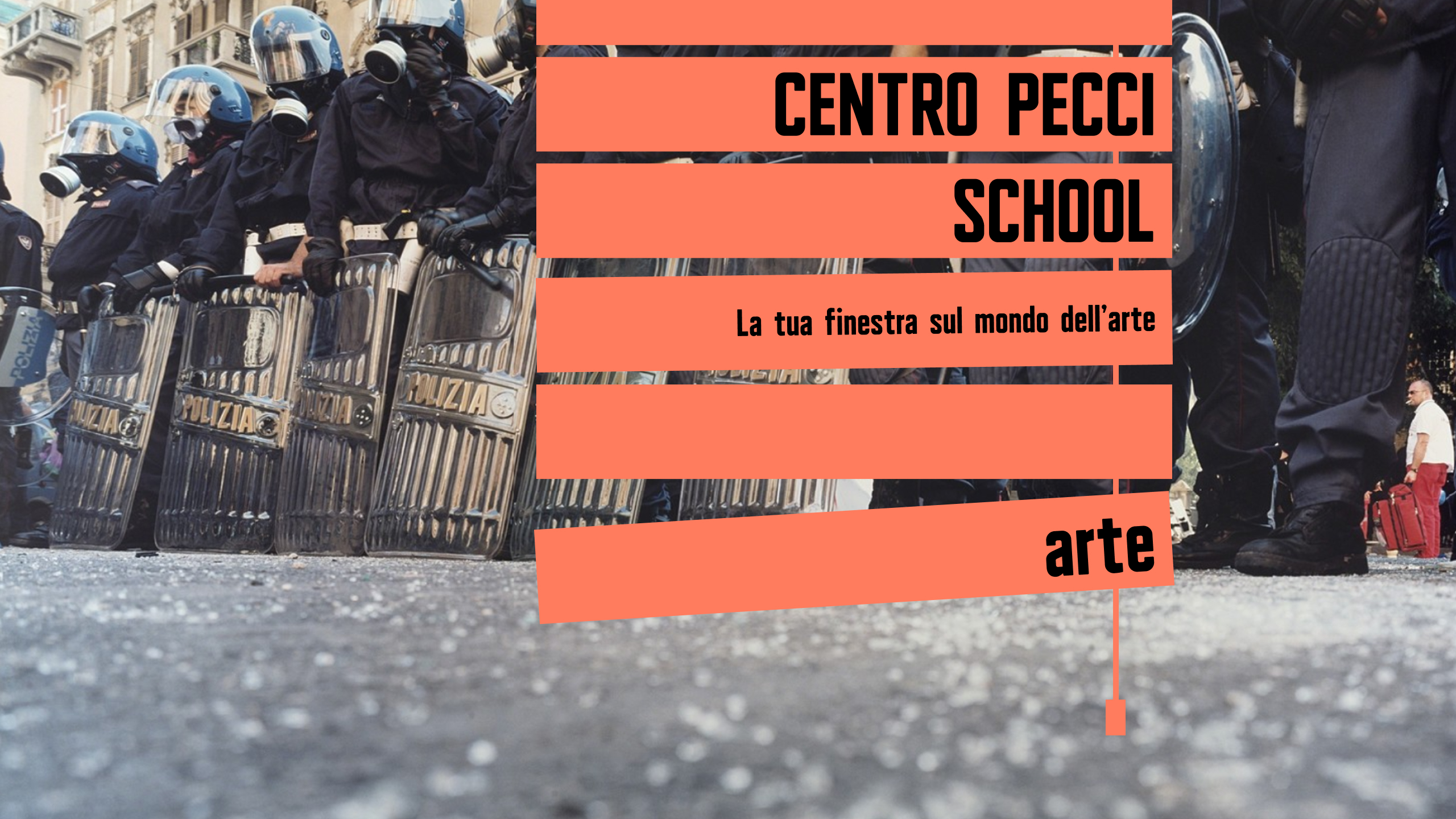
The 1970s had been marked by overt—and at times overbearing—artistic militancy; the following decade, by contrast, seemed to avoid overly intense political and social battles, favoring a retreat toward less committed positions, in some cases accused of revisionism. From these premises, through unsystematic and often individual paths, the generation of artists of the 1990s took shape, caught between the burden of these unfulfilled “inheritances” and a flow of events of considerable historical and political significance: the fall of the Berlin Wall and the dissolution of the former Soviet Union; Italy’s transition from the First to the Second Republic, with its many associated scandals; international conflicts and migration flows—events that unfolded throughout the decade within an increasingly “connected,” globalized, and thus stratified world; the G8 summit in Genoa and the attacks on the Twin Towers in New York, irreparable and violent “breaking points” of the then-new millennium, witnessed in real time through images rapidly disseminated by the media.
Pivotal events and the speed of information—between spectacle and instrumentalization; new media and technologies; the restless geographic expansion of the art world; attention to “margins” and peripheries—are just some of the themes that emerge when retracing the stages and intersections of the relationship between art and politics during this decade. Through ironic strategies and the resurfacing of past symbols to be “dissected,” through documentation and interrogation of the present, reflections and new dissident impulses, this lecture will attempt to map out works and exhibitions, debates and significant contributions, in order to bring renewed attention to the dialectics of this relationship—a complex and, in some ways, elusive one, whose tensions remain alive and unresolved today.